Good to know · September 8, 2026 · 4 min read
Why babies under one should never have honey, raw or not
It's not about germs in the jar, and it's not about raw versus pasteurized. It's about spores, and a baby's gut. What every parent should know, in plain words.
We sell honey and we’d like you to eat a lot of it. But there is one rule we’d rather you hear from us than find out the hard way: no honey for babies under twelve months. Not raw honey, not pasteurized honey, not a dab on a pacifier, not honey baked into a cookie. Here is why, without alarm and without hedging.
The reason: botulism spores
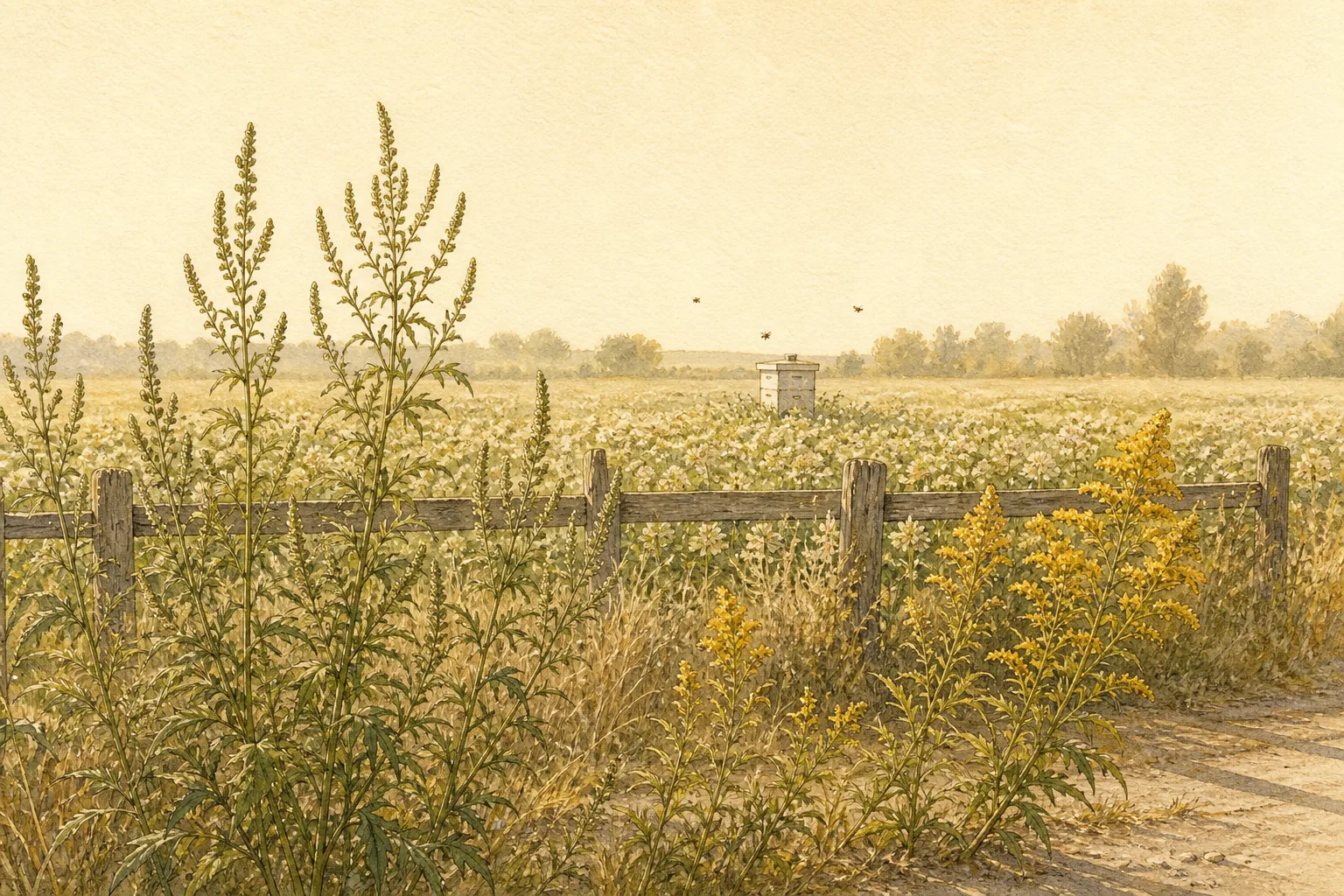
The soil is full of a bacterium called Clostridium botulinum. It forms tough, dormant spores that blow around in dust and, sometimes, end up in honey; bees carry them in on their bodies and in nectar. The spores are harmless to older children and adults. Our guts are mature and crowded with other bacteria, and the spores pass through without waking up.
A baby’s digestive system is different. In the first year, before the gut has its full population of bacteria, the spores can germinate, grow, and produce a toxin. The result is infant botulism: weakness, a weak cry, poor feeding, constipation, and, in the worst cases, trouble breathing. It is treatable with prompt care, and most babies recover fully, but it is serious enough that the CDC, the American Academy of Pediatrics, and every public-health body we know of say the same thing. No honey before the first birthday.
Raw versus pasteurized makes no difference
This is the part people get wrong. Pasteurizing honey, which means heating it to around 160°F, kills yeasts and bacteria but does not kill botulism spores; those survive boiling. So a jar of heated, filtered, supermarket honey carries the same risk as a jar of raw honey from us. The rule applies to all of it, including honey in processed foods and honey-sweetened baby products that occasionally, wrongly, turn up on shelves.
Cooking doesn’t help either. Spores survive baking temperatures, so honey in bread, cookies or a glaze is off the list too.
What about honey for a baby’s cough?
Honey is a genuinely good remedy for coughs, and pediatricians recommend it. For children over one. Under one, the same organizations that recommend honey for cough say plainly not to use it. If a baby under twelve months has a cough that worries you, call your pediatrician.
After the first birthday
Once a child is past one, honey is fine, and the risk of infant botulism essentially disappears as the gut matures. There is no need to wait longer, and no reason to prefer pasteurized honey; a toddler can eat the same raw honey you do. Honey is still sugar, so the usual sense about sweets applies, but the safety concern is gone.
Two other notes
Spores are also in soil and dust, which is why infant botulism occasionally happens with no honey involved at all. It’s rare. Honey is just the one common food that’s a known source, which is why it gets the warning.
And for adults with a healthy digestive system, raw honey is safe, spores and all. People have eaten it for as long as there have been people. The rule is about babies, and only babies.
We are not doctors, and none of this replaces your pediatrician. It is just the one thing about honey we’ll never be casual about. Keep the jar on a high shelf until the birthday cake, and then let them have some.