Know your honey · September 3, 2026 · 5 min read
Linden honey: the basswood tree, the two-week bloom, and what it tastes like
One of the great honeys of the world comes from a shade tree most people walk past. A guide to linden honey and why it smells like mint.
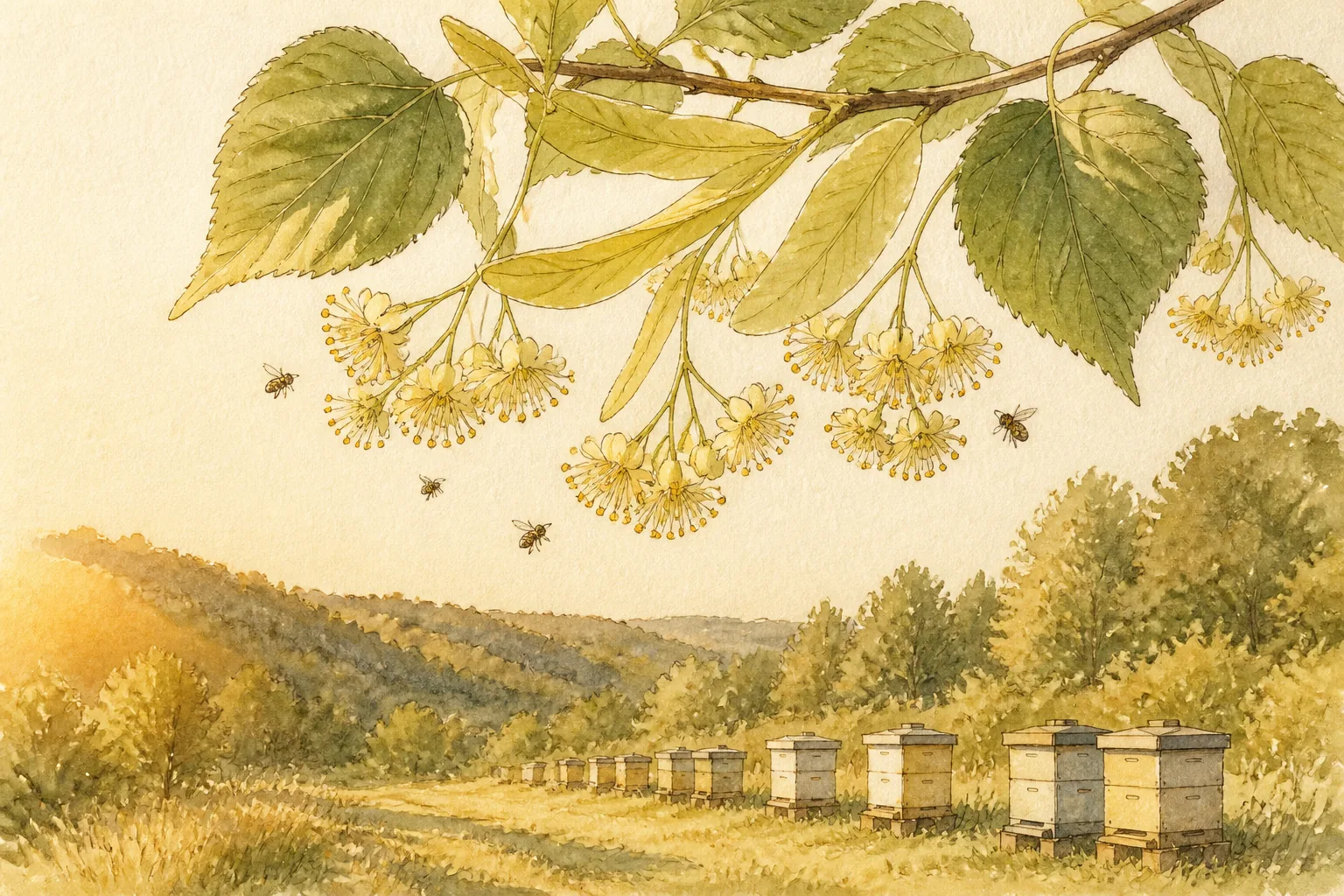
Every June, for about two weeks, the basswood trees on the hillsides of western Wisconsin flower. The blossoms are small, pale yellow-green, and hang in clusters under a leaf that looks like a little wing. You would not notice them from the road. The bees notice. A basswood in full bloom hums so loudly you can hear it from thirty feet away, and while it’s flowering the bees barely work anything else.
That two weeks is where linden honey comes from.
Linden, basswood, lime: one tree
The tree has three names, which confuses people. In Europe it’s the linden or lime tree (nothing to do with the citrus). In North America the native species, Tilia americana, is usually called basswood. The honey is sold under all three names, and it’s the same thing: honey from the nectar of Tilia flowers. Linden honey has been prized in Europe for centuries, and the best American basswood honey sits comfortably alongside it.
What it tastes like
Linden is pale, somewhere between water-white and light amber, and the flavor is the surprise. It starts sweet and floral, then a green, fresh note comes through that people reach for words like mint, menthol, or camphor to describe. There’s often a touch of citrus or pear. It’s a honey that tastes cool, if that makes sense, the way the shade under the tree feels.
It is not a subtle honey. Linden has enough character that you’ll notice it in a cup of tea, which is one of the classic ways to drink it; linden-flower tea itself is an old European bedtime drink, and the honey carries the same aroma.
Why it’s hard to get
A honey that comes from one tree in one two-week window is at the mercy of that window. Basswood needs the right weather to secrete nectar: warm, humid days with enough moisture in the ground. A cold snap during the bloom, a dry spell, or three days of rain, and the trees produce almost nothing. Some years there is no linden crop at all. Beekeepers who chase it move hives onto the hillsides just before the flowers open and pull them the moment the bloom is over, so nothing else gets into the comb.
Our linden comes from the Driftless area of Wisconsin, the hilly unglaciated corner where basswood grows thick on the slopes. We wrote about that harvest in Three weeks in June.
How it behaves in the jar
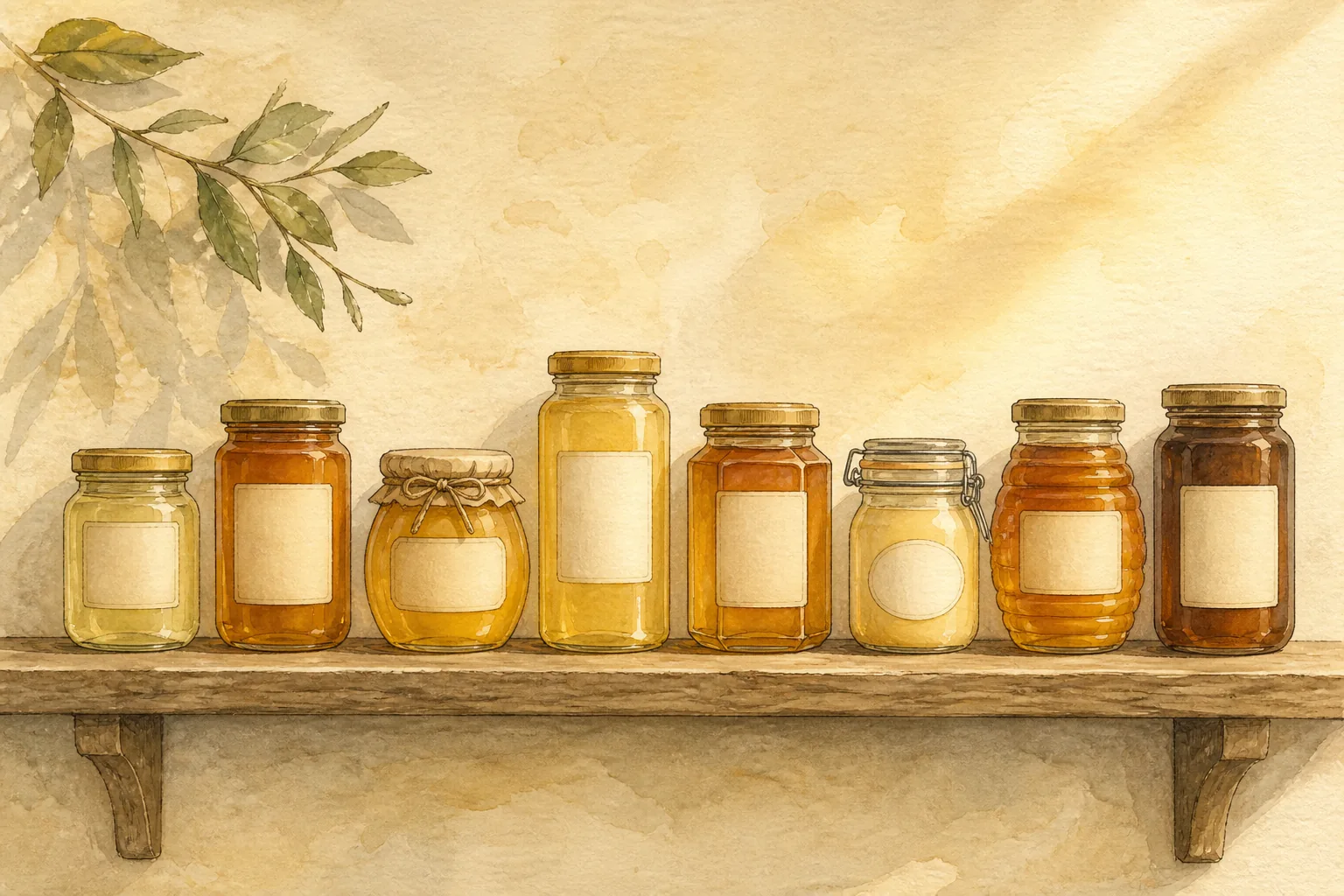
Raw linden honey crystallizes at a medium pace, usually over a few months, and sets fairly fine and creamy. The set honey keeps all of the flavor, and the minty note is, if anything, clearer in it. If you prefer it liquid, an hour in a bowl of warm water brings it back. Don’t microwave it; the aromatic compounds that make linden worth buying are exactly what heat drives off.
What to do with it
Tea, first. Let the tea cool for a minute so you’re not cooking the honey, then stir in a spoon. Linden and black tea is a natural pairing, and linden with chamomile is close to what your great-grandmother would have made for a cold.
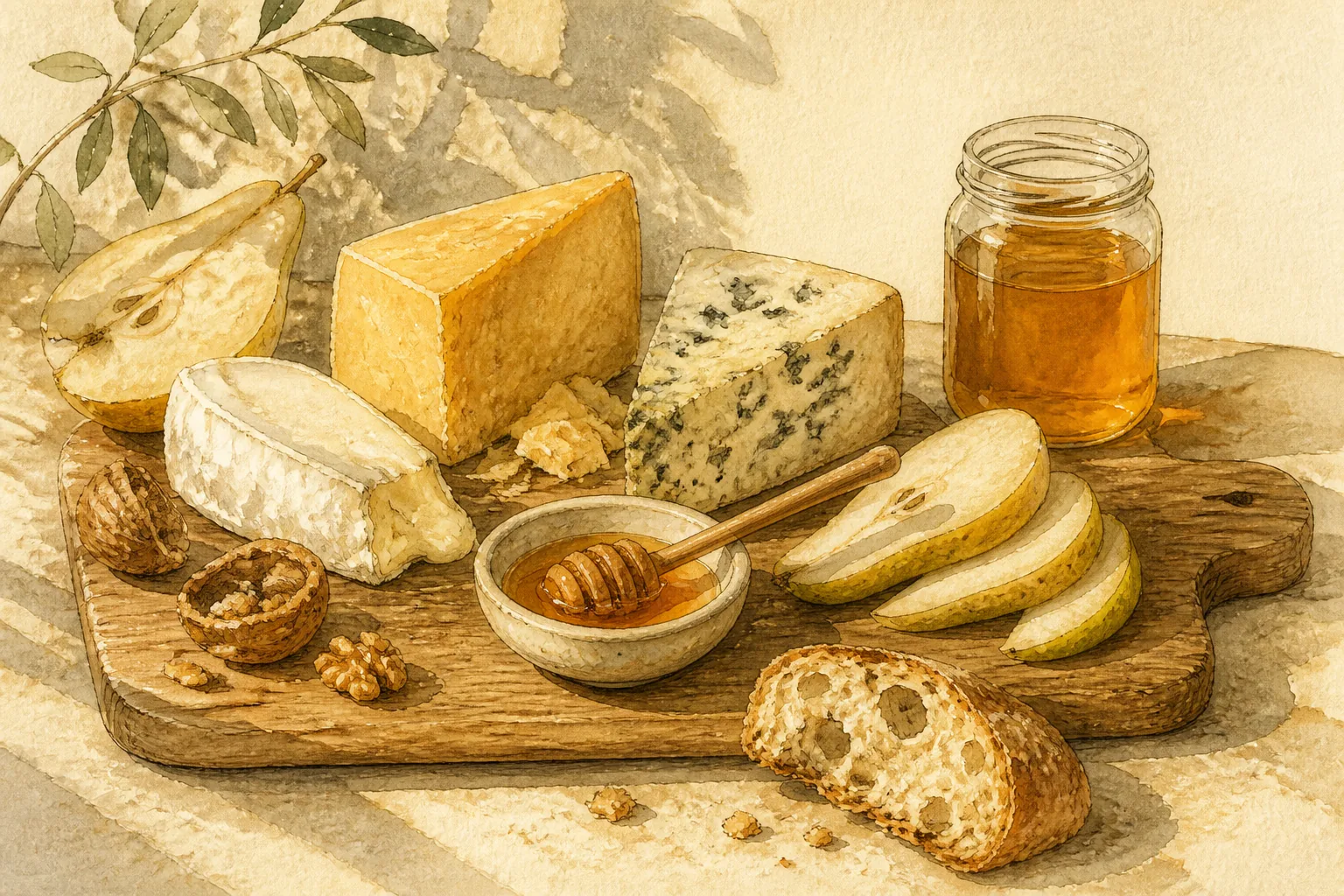
Beyond that: on fresh goat cheese or ricotta with a crack of pepper, over sliced pears, or in a glaze for roasted carrots, where the green note does something interesting with the sweetness of the vegetable. It’s also very good simply on a spoon.
Our Linden Honey is bottled by hand in Lake County, Illinois, in one-pound glass jars. It is sold out until the first bottling lands; email us and we’ll let you know the day it does.