Raw honey, explained · August 4, 2026 · 3 min read
Your honey turned solid. That's the good news.
Crystallization is what raw, unfiltered honey does when nobody has heated or filtered the life out of it. Here's why, and how to bring it back in one night.
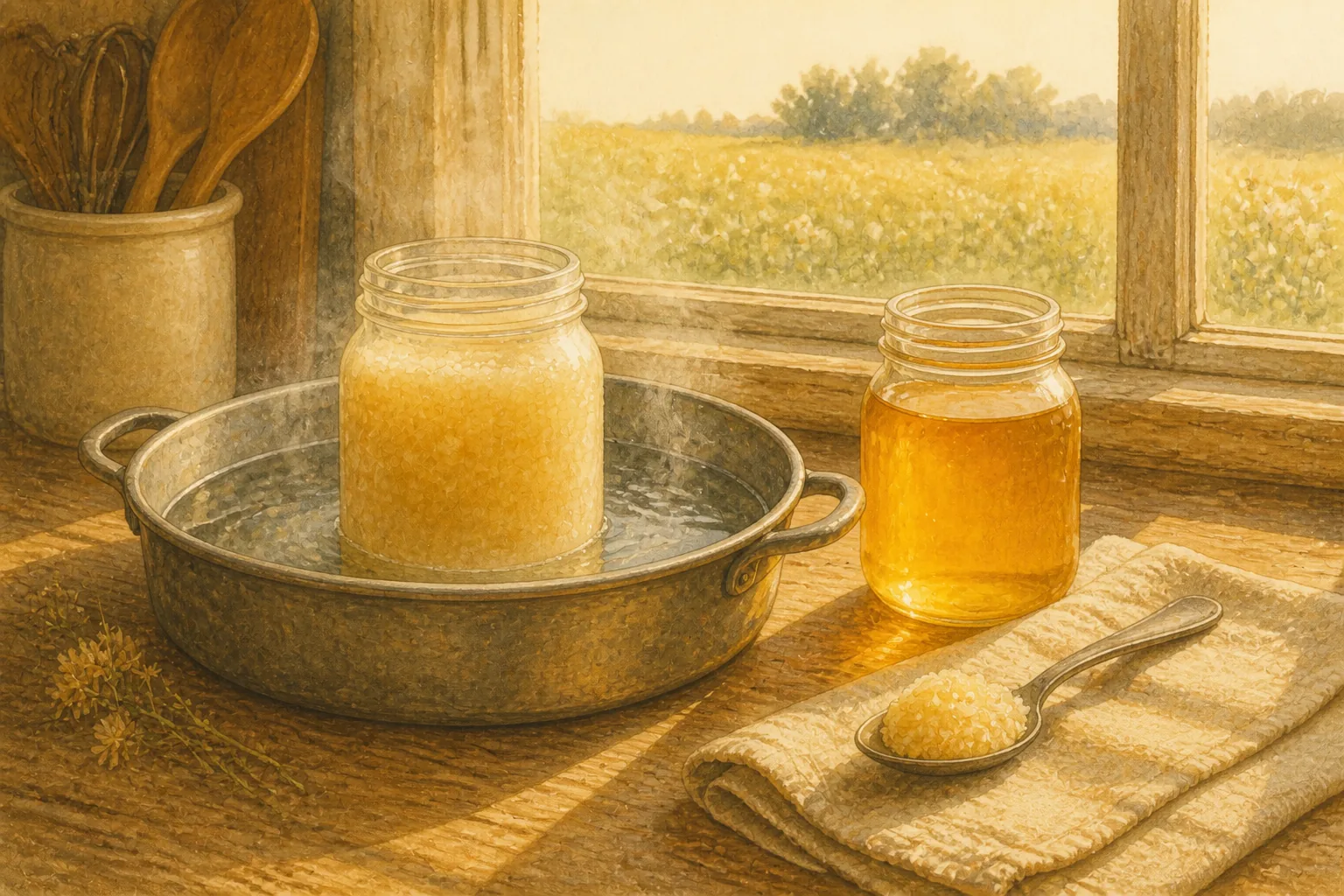
Open a jar of raw honey in January and it may have gone from clear gold to something closer to pale butter, grainy at the bottom, stiff on the spoon. Nothing went wrong. This is what honey does when nobody has heated or filtered it.
Honey is mostly two sugars, glucose and fructose, dissolved in less water than they’d like. It’s a supersaturated solution, which means the glucose is always looking for an excuse to come out and form crystals. In raw honey there are plenty of excuses: tiny grains of pollen, flecks of beeswax, a bit of propolis. Each one is a seed for a crystal. Commercial honey is heated and pushed through fine filters precisely to remove those seeds, so it stays liquid on the shelf for a year. It also loses most of what made it interesting.
How fast a honey sets depends on the flower
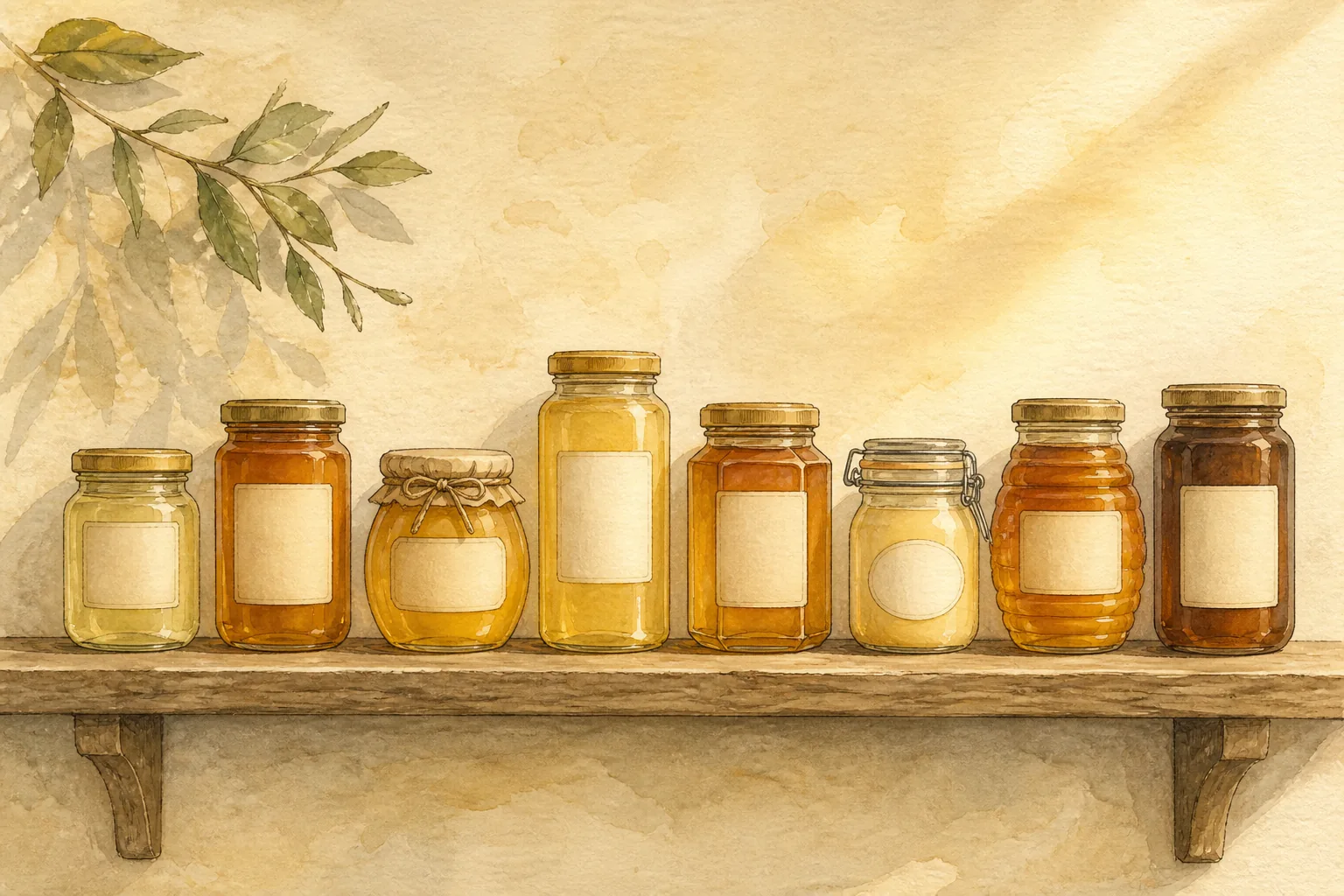
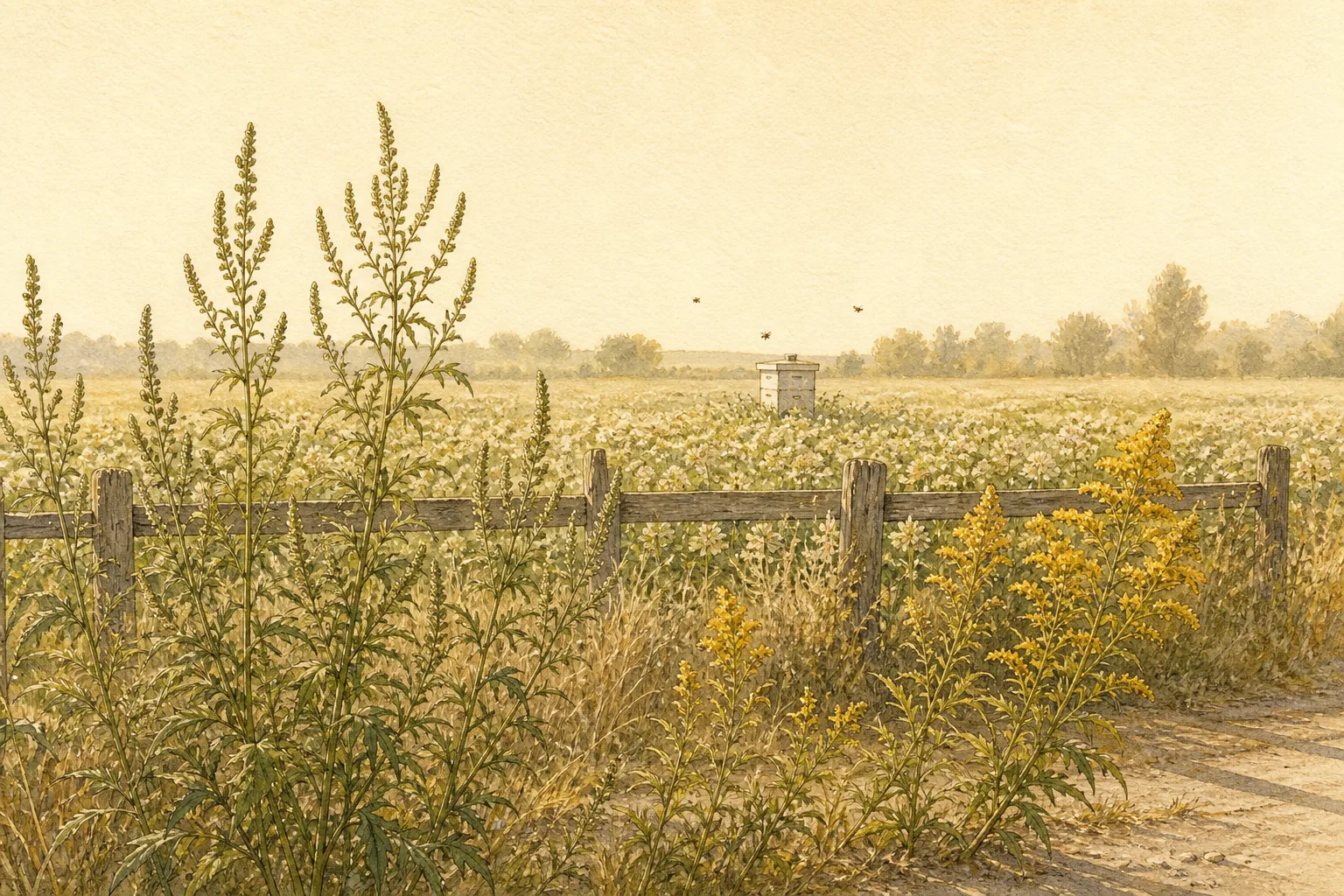
Clover, with lots of glucose, can set within weeks. Linden goes in a month or two. Florida Red takes a few months. Tupelo, unusually high in fructose, almost never does, which is part of why people pay more for it.
Bringing it back
Set the jar in a bowl of warm tap water, not boiling, and leave it overnight. Stir once in the morning. It will be clear again with everything still in it.
Or don’t bother: set honey spreads on toast like butter, and a lot of people come to prefer it that way.